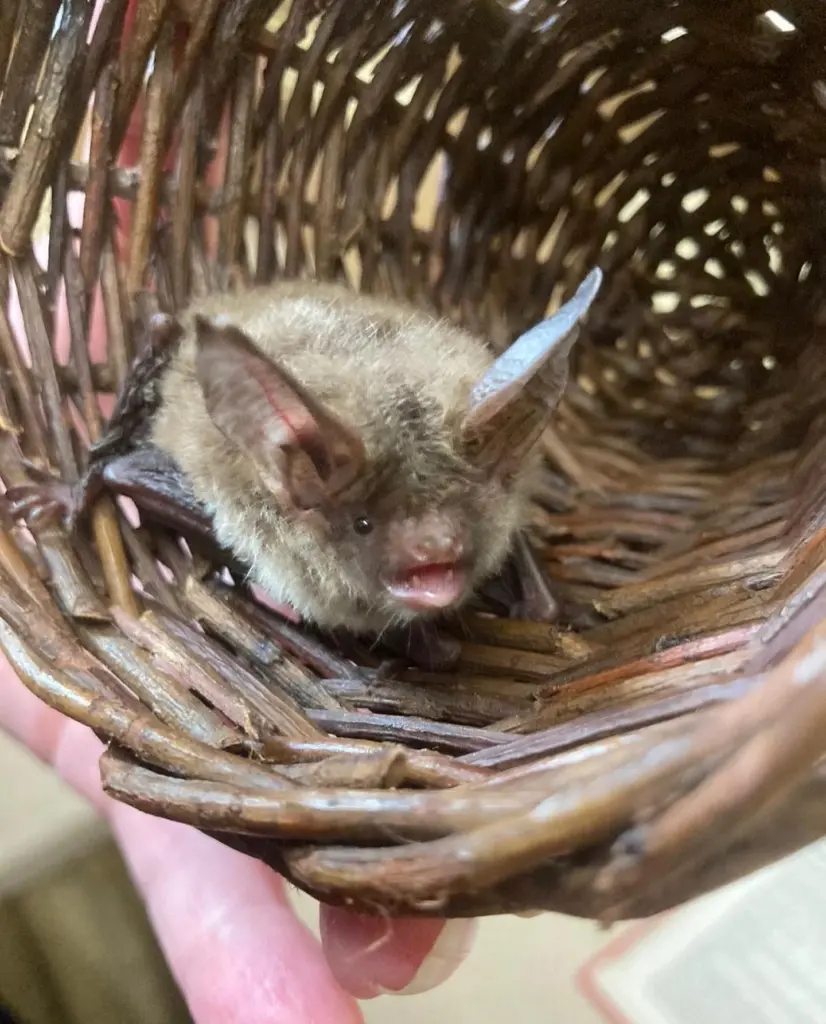
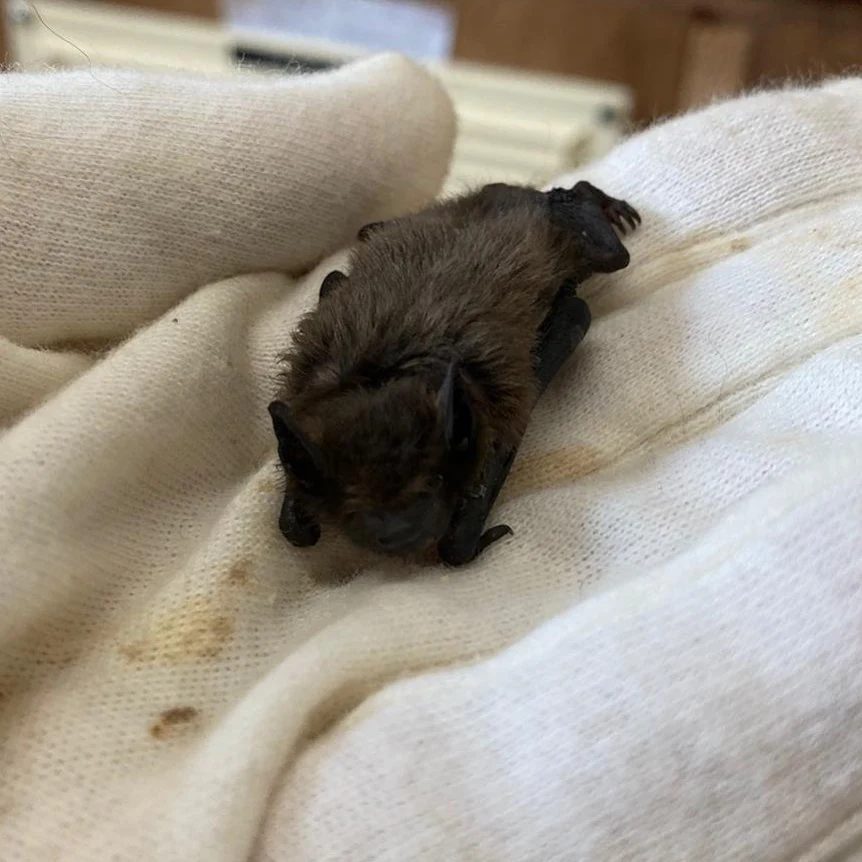
We help injured, grounded and orphaned bats across the Isle of Wight, providing specialist care to support their recovery and, where possible, a safe return to the wild.
The Isle of Wight Bat Hospital began in 1996, when Donna and Graham Street cared for an injured pipistrelle. From that first rescue, their home gradually became a dedicated place for treatment, recovery and sanctuary.
Today, Donna continues the work they built together, caring for bats from across the Island. The Hospital has now helped more than 3,000 bats, supported by the generosity of the local community.
From first advice to rehabilitation, release or sanctuary, each bat receives care based on its individual needs.
Clear advice and practical help for injured, grounded, orphaned or unwell bats needing care.
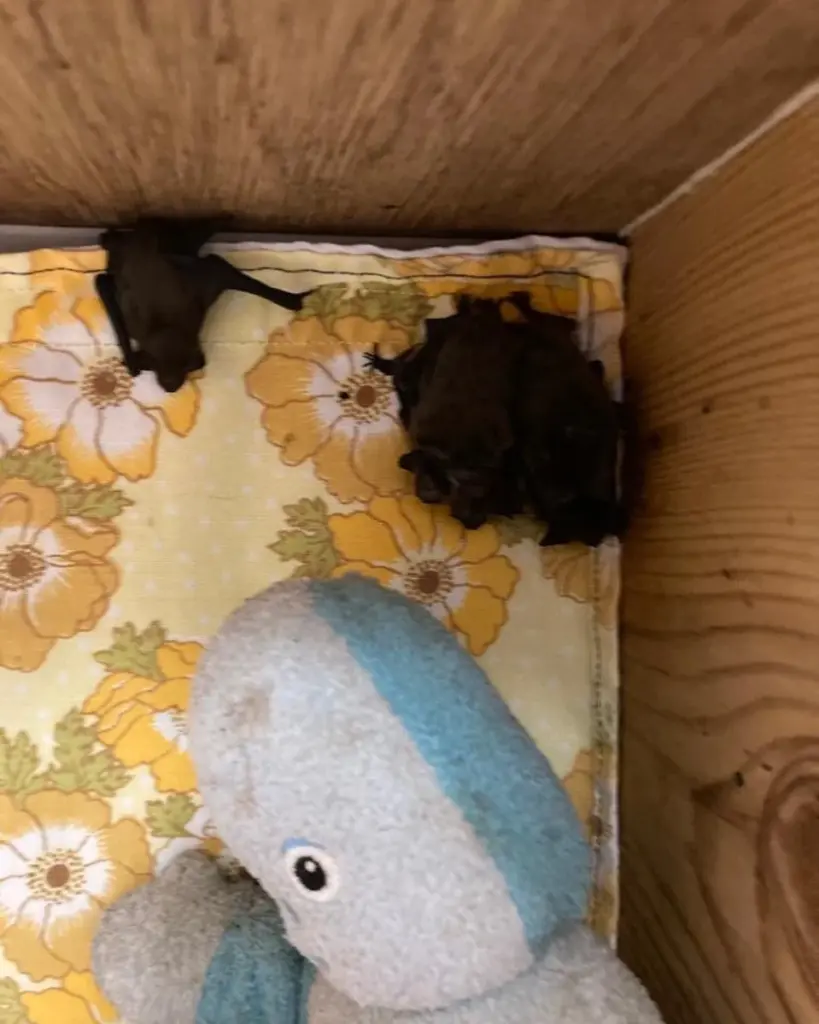
Assessment, warmth, feeding and close care to support recovery and rehabilitation.
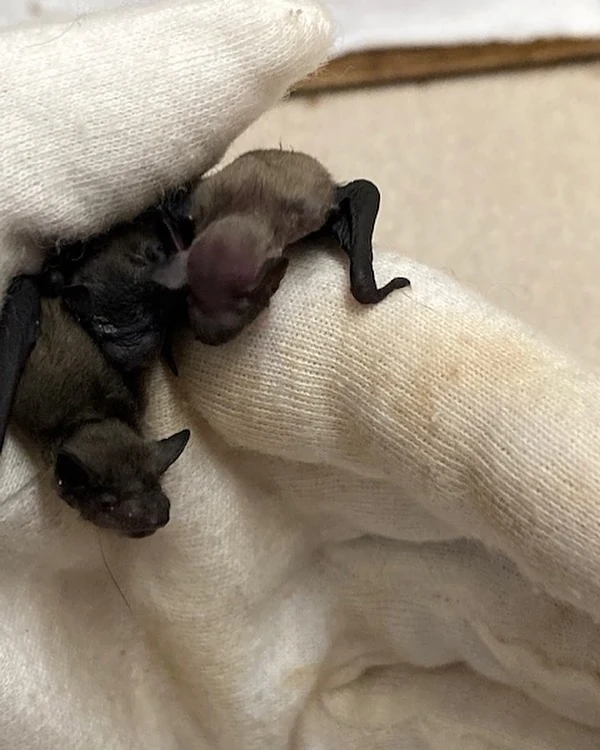
Hand-rearing and specialist feeding help orphaned bats grow stronger and develop.
Flight testing supports safe release, while unreleasable bats receive sanctuary.
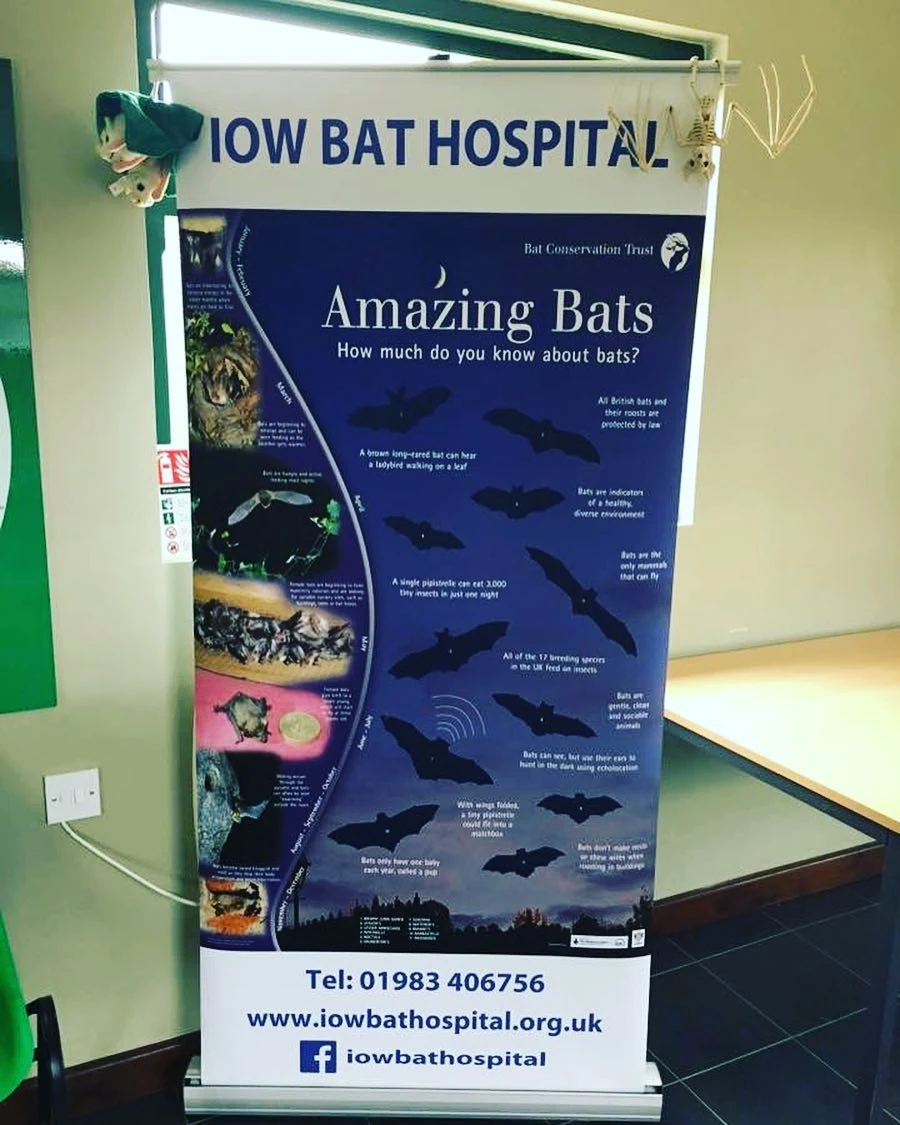
Advice, talks and community work help people understand and protect Island bats.
Clear advice and practical help for injured, grounded, orphaned or unwell bats needing care.
Assessment, warmth, feeding and close care to support recovery and rehabilitation.
Hand-rearing and specialist feeding help orphaned bats grow stronger and develop.
Flight testing supports safe release, while unreleasable bats receive sanctuary.
Advice, talks and community work help people understand and protect Island bats.
From the first report through assessment, rehabilitation and release, each bat receives care based on its individual needs.
Get guidance on the next step when a bat is found injured, grounded, orphaned or affected by cat contact, including advice on what to do next.
Each bat is assessed to understand its condition and immediate needs, with appropriate warmth, feeding, secure accommodation and treatment provided.
As the bat recovers, ongoing feeding, monitoring and specialist care help rebuild strength, natural behaviour and readiness for independent life.
Bats that recover and can feed and fly independently are returned to the wild where appropriate, while those unable to be released may remain in permanent sanctuary.
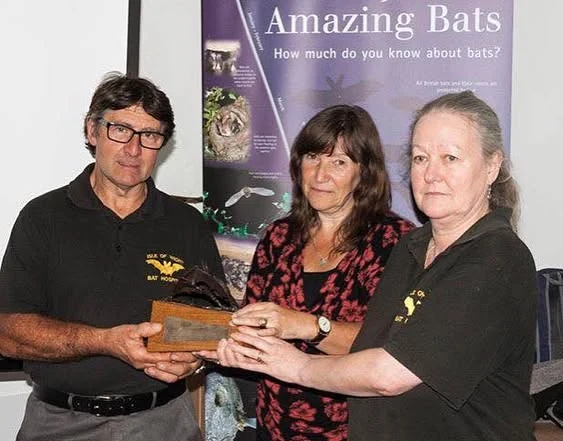
Decades of dedicated bat care, recognised for our commitment to the Island’s bats.
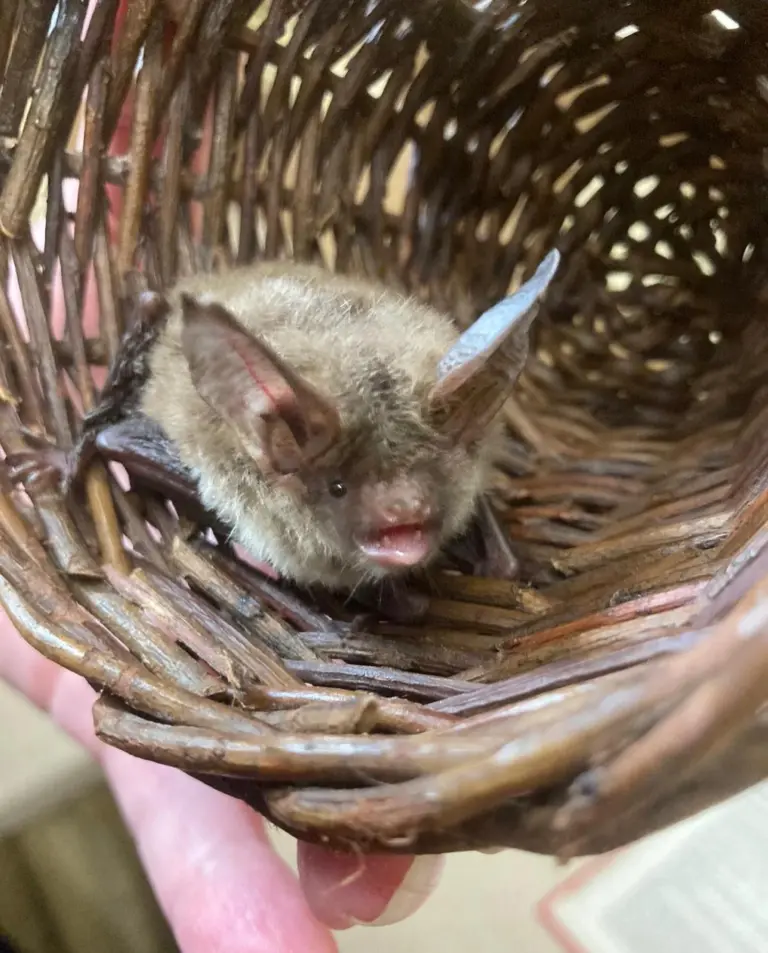
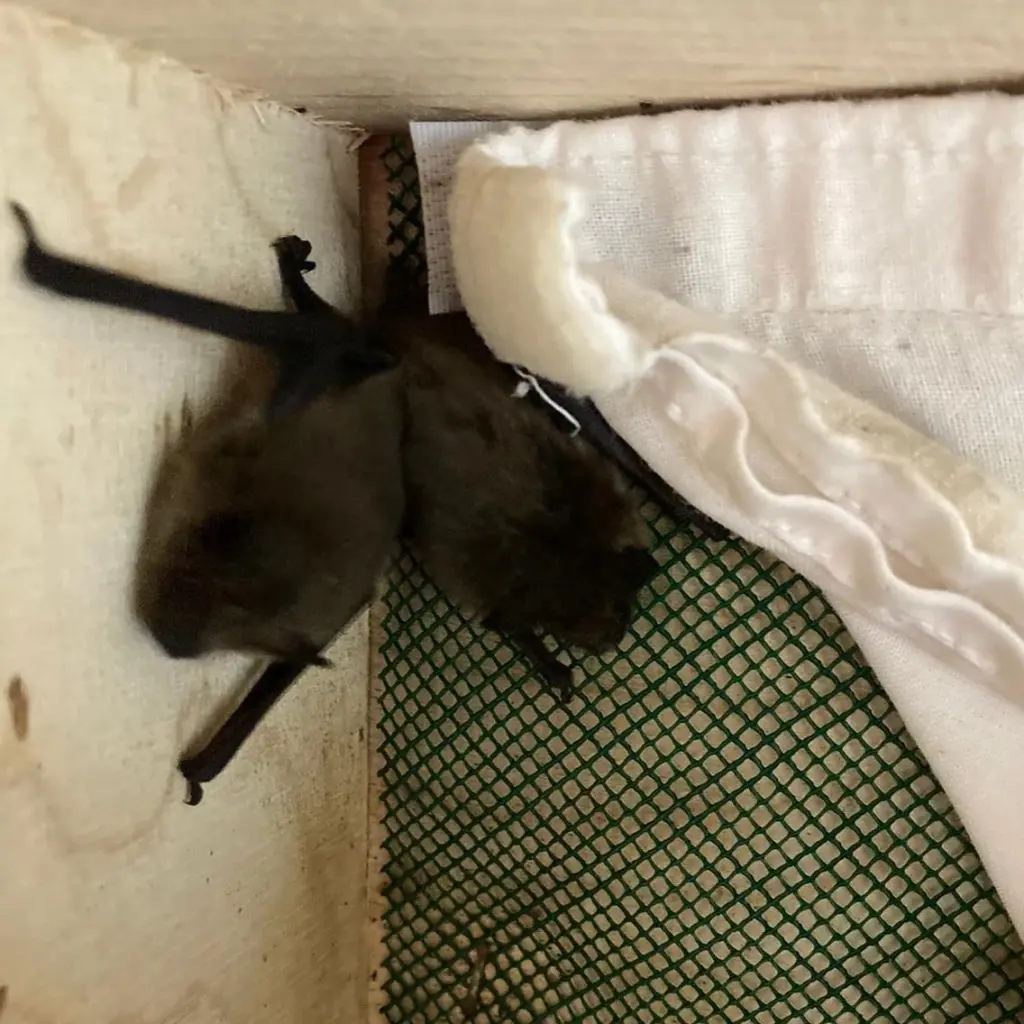
A glimpse into daily life at the Hospital and some of the bats cared for over the years.
We help injured, grounded and orphaned bats across the Isle of Wight, providing specialist care to support their recovery and, where possible, a safe return to the wild.
Each bat is assessed to understand its condition and immediate needs. Care may include warmth, feeding, secure accommodation and treatment. Progress is monitored throughout recovery and rehabilitation.
Returning a recovered bat to the wild is always the main aim. Flight and independent feeding may be checked before release. Bats that cannot be safely released may remain in sanctuary.
Orphaned bats may need specialist milk and frequent hand-feeding. As they grow, they are supported towards independent feeding. Rehabilitation helps build strength and natural behaviour for release.
The Bat Hospital is independent and largely self-funded. Support helps towards food, medicine, heating, transport and care. You can use our donation page to pledge your support.